
London-based photographer and visual artist Sam Rockman boasts a diverse portfolio that transcends conventional boundaries. His work delves deep into the human experience. Featured in publications including Wonderland, Kerrang, and Clash. Sam's lens captures not just images but narratives, showcasing the essence of musicians, as well as the dynamic atmosphere of festivals.
Sam was a finalist in two categories at the 2023 Abbey Road Music Photography Awards, and has been a photographer in residence at the studios, shooting various projects, including our Lock-In and Equalise sessions.
Drawing inspiration from his Finnish roots, he infuses his work with a profound appreciation for diverse individuals and their stories. Whether photographing gigs or collaborating with artists for portraits, Sam's dedication to capturing the essence of the music world shines through. He seamlessly blends his passion for photography with his love for music, resulting in a narrative uniquely his own.
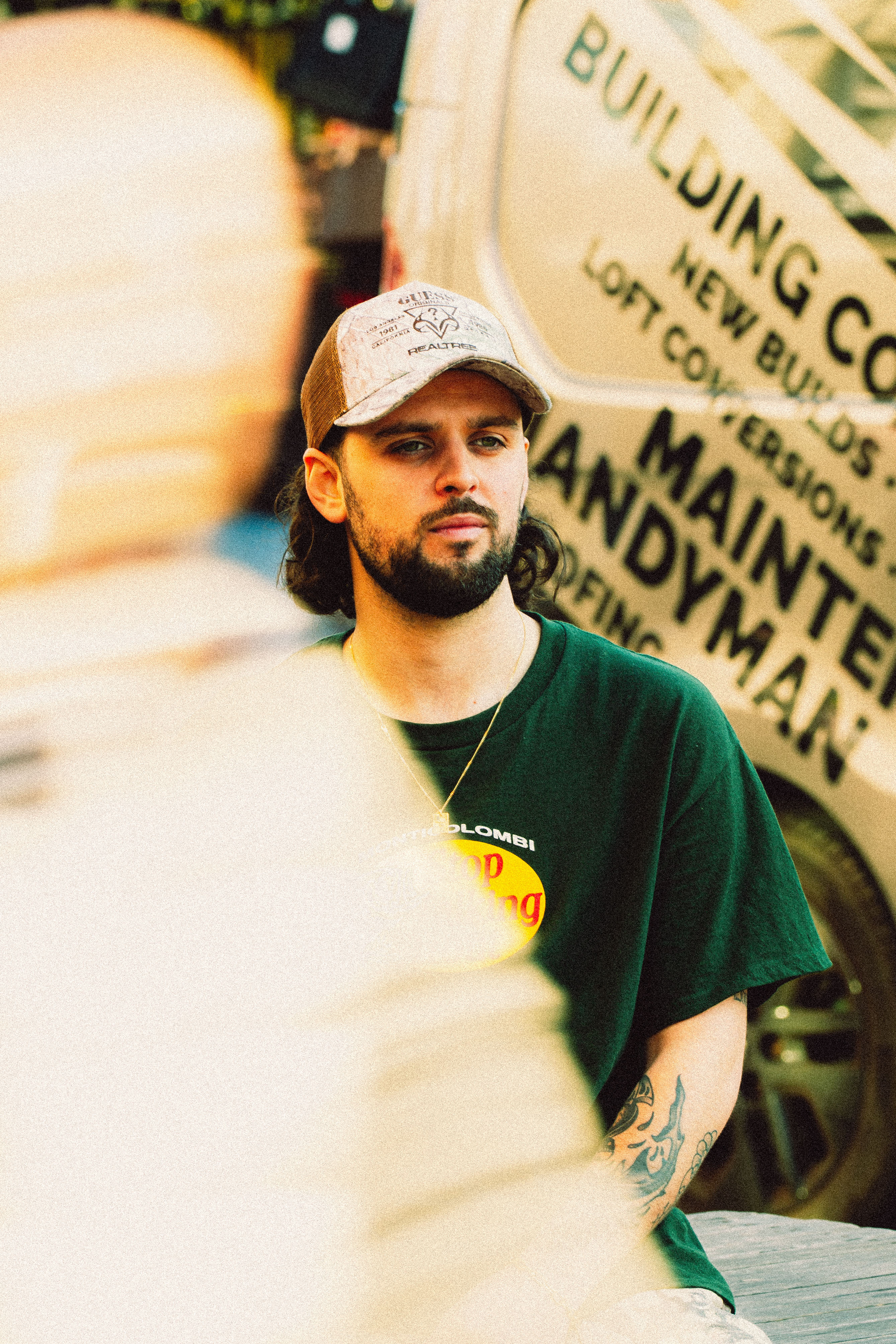
Photo courtesy of Sam Rockman
To start, could you share a bit about your background and what first drew you into photography?
My name is Sam Rockman, and I got into photography when I picked up my brother’s old Pentax camera and started shooting 35mm film. Coming from a video background, I found something magical about using single frames to tell a story.
Which visual influences have shaped the way you approach portraiture?
Films have always influenced me, and when I started shooting, I only ever used a horizontal (landscape) frame. It’s only in the last few years that I’ve started shooting vertical (portrait), maybe because of social media, maybe because I’ve grown to like how it frames a face. I love the lighting of '90s films, especially David Fincher. If I can, I’ll try to add a green tint to my images.
I don’t think there’s a single portrait photographer who’s influenced me, but recently I went to a Bruce Gilden exhibition and loved his work and his approach. His totally not-giving-a-shit attitude is amazing, and his portraits are incredible! They tell so much about the person. My friends also influence me a lot, all of them, from every creative practice. Watching us all work and push ourselves to be the best we can is a joy. Almira Kho, Claudia Cantarini, and Min Sett Hein are constant inspirations. I am grateful to be friends with such inspiring artist, and love seeing what they create. Their work always carries a unique voice and a level of craft that I deeply admire.
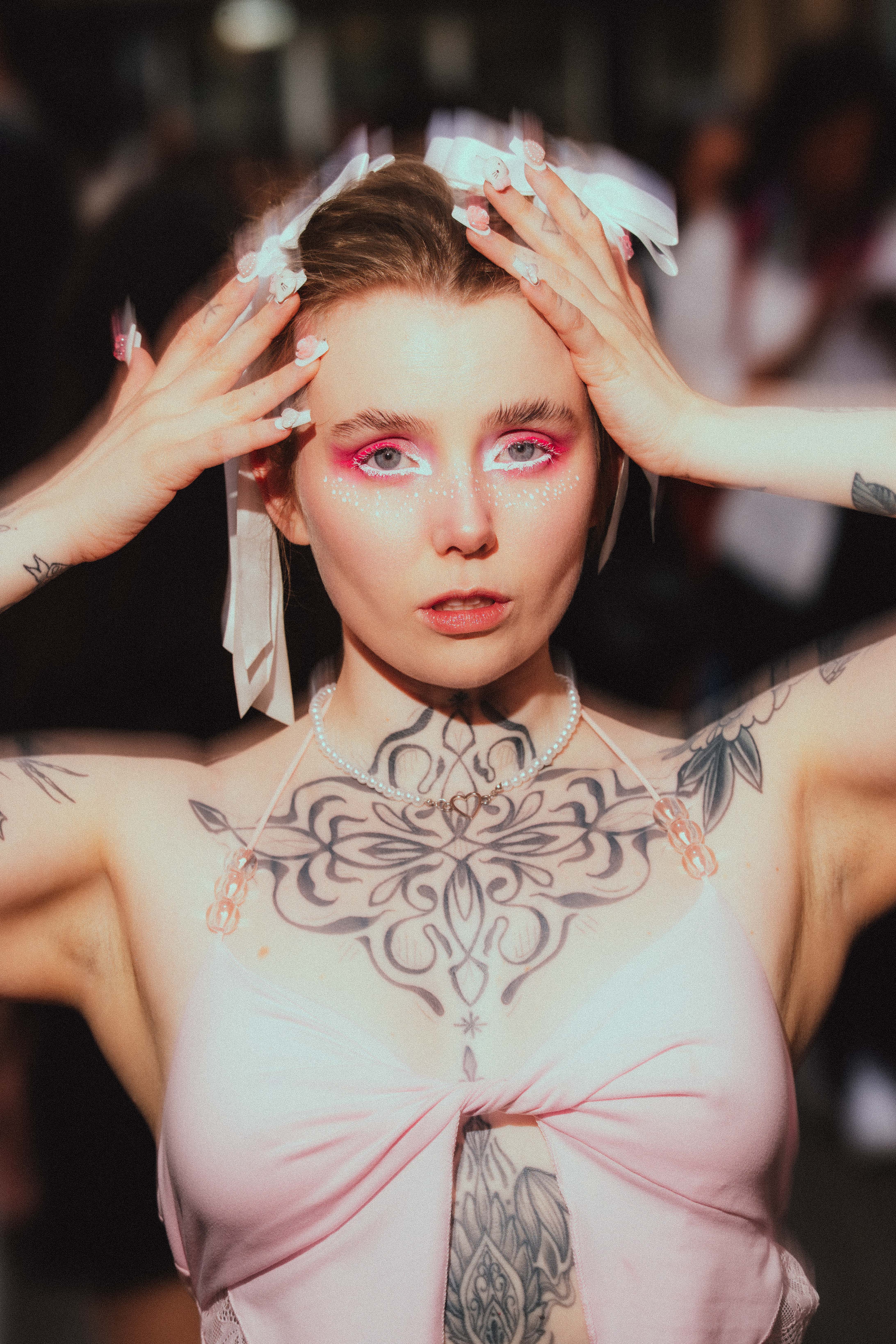
Photo courtesy of Sam Rockman
When preparing for a portrait session, what does your creative planning process look like?
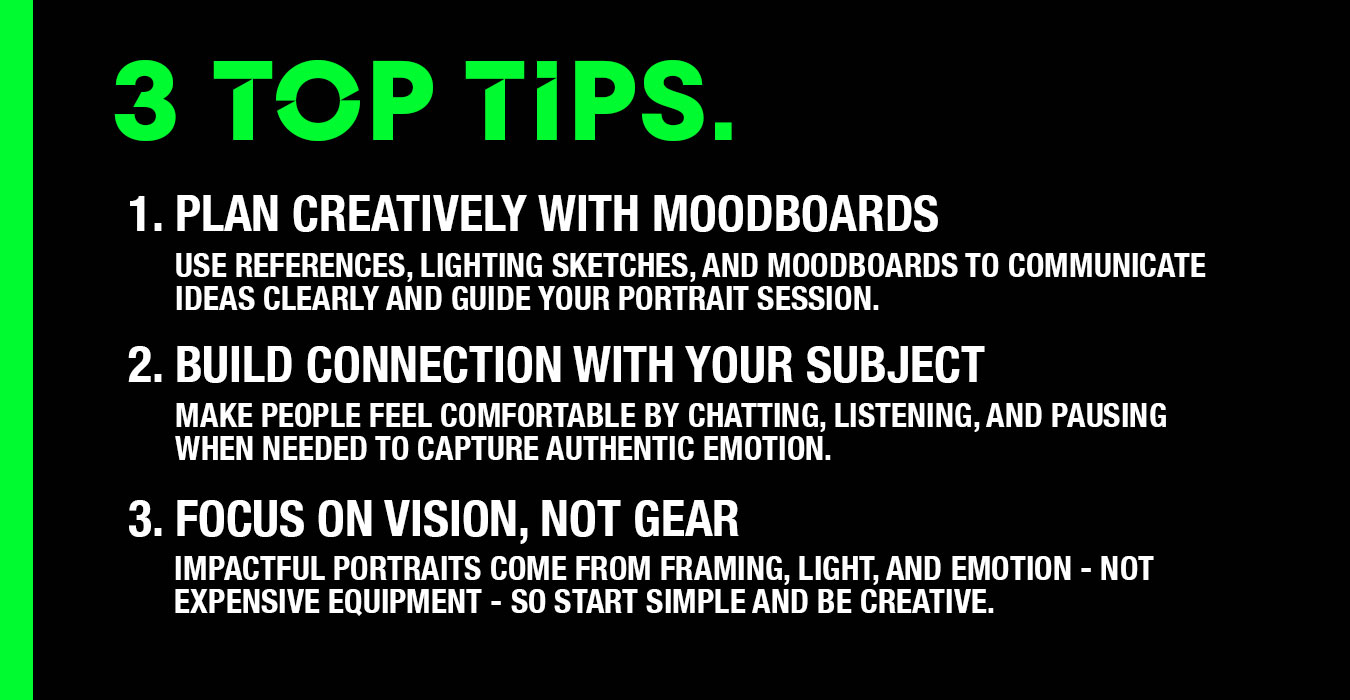
Before I had my studio, it was mostly just selecting the location we’d shoot in that was the main prep. Then it was a case of meeting, having a chat, and taking some photos. Now that I’m doing more studio work, I ask for references and make a small plan to figure out the lighting. It’s only very recently that I actually made a moodboard - I did this for my last shoot, and it made such a difference. It was a joy to show the artist my ideas, and they could clearly understand what I was going for. That’s something I’ll definitely continue doing.
How do you cultivate a sense of connection with your subject before or during a shoot?
I think it’s just about being nice and making people feel at ease. I don’t think there’s a magic formula. I like to chat, and there have been times where I’ve ended up having a long conversation rather than shooting. Even as someone who’s slightly introverted, I know that asking questions and helping the person feel comfortable makes a huge difference. If I notice someone is feeling uncomfortable in front of the camera, I’ll pause and chat a bit more.
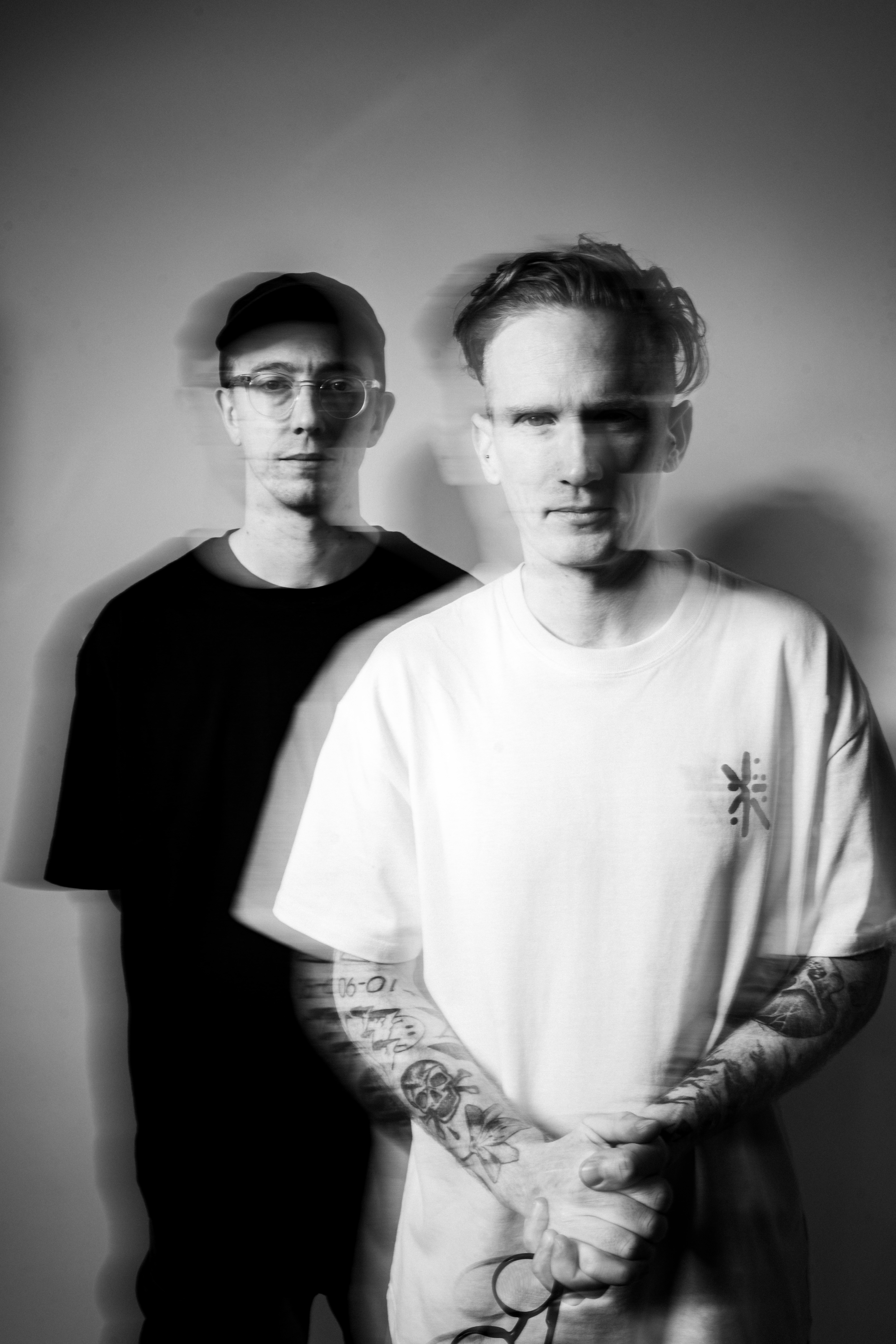
Photo courtesy of Sam Rockman
What are your go-to techniques to make people feel comfortable in front of the camera?
I honestly don’t know, but I’ve been told many times that people feel really at ease in front of my camera. I’d say I work quite fast, which probably helps and again, just being kind, polite, and friendly goes a long way.
For photographers starting with a simple home setup, what core tools or essentials would you recommend?
I’ve never had a home setup, but I’d say a plain background and some form of light are key. Flash is often brighter and cheaper than continuous lighting so I’d get a decent speedlight/strobe with a modifier that’s a great place to begin. Or if you are lucky to have a lot of daylight at home then that works as well. You don’t need much one light is more than enough when starting out.
What advice would you give to photographers who want to create impactful portraits without access to high-end equipment?
Gear never equals good photos. I’ve shot some of my favourite portraits on a £50 35mm point-and-shoot. I know photographers who still shoot on old, cheap cameras and others who use surprising setups and still create incredible images. It’s always about you and your vision and some good framing and light. People can feel emotion in a photo, no matter what it was shot on.
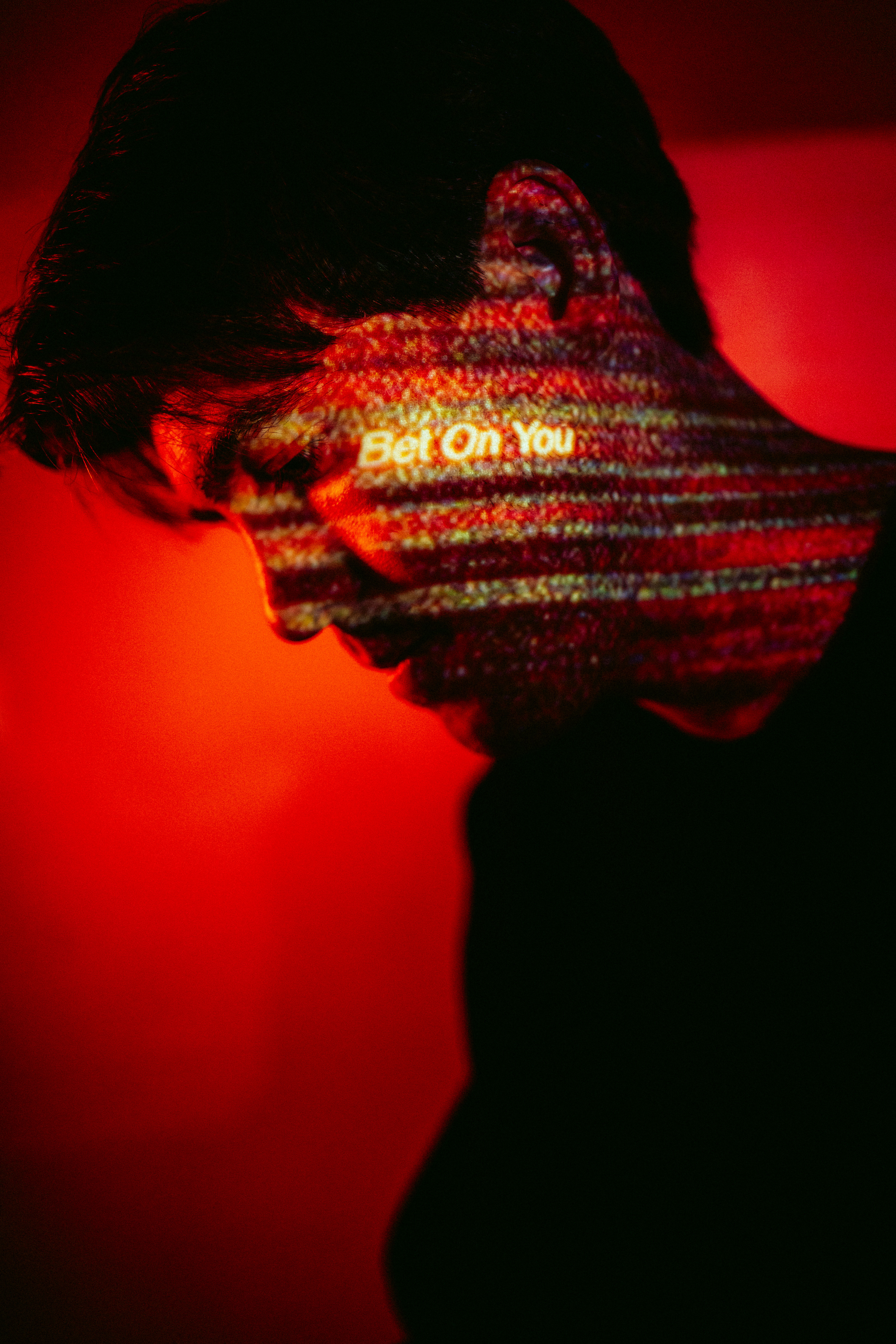
Photo courtesy of Sam Rockman
What are some creative ways to find portrait subjects when starting out?
If you’ve got the confidence, street portraits can be really fun. I love taking portraits of strangers because, as someone with social anxiety, it helps me massively when I’m struggling. There’s nothing like approaching a random person on a busy high street, trying to have a conversation while also making sure you get a good shot - it’s a great skillset. Otherwise, I used to use Facebook groups to find models to collaborate with, and then when I had a decent portfolio, I did test shoots for modelling agencies.
Developing a personal style can take time - how do you think photographers can begin uncovering their own visual voice?
It’s tough. We’re bombarded with images on social media and people telling us how to shoot. Try to take inspiration and not replicate. I spent a long time struggling to find my ‘style’ because I kept trying to replicate other people’s photos. You might end up going niche, but the more you shoot and experiment, the more you’ll work out what you actually like. At the end of the day, create images that you love because people will see the passion in them.
For those just beginning to work with lighting, what’s a simple, reliable setup you’d recommend starting with?
Just start with one. That’s a rule I sometimes need to remind myself of even now. Perfect your lighting with one setup before adding more. I started with a beauty dish and flash, and that worked well for a while.
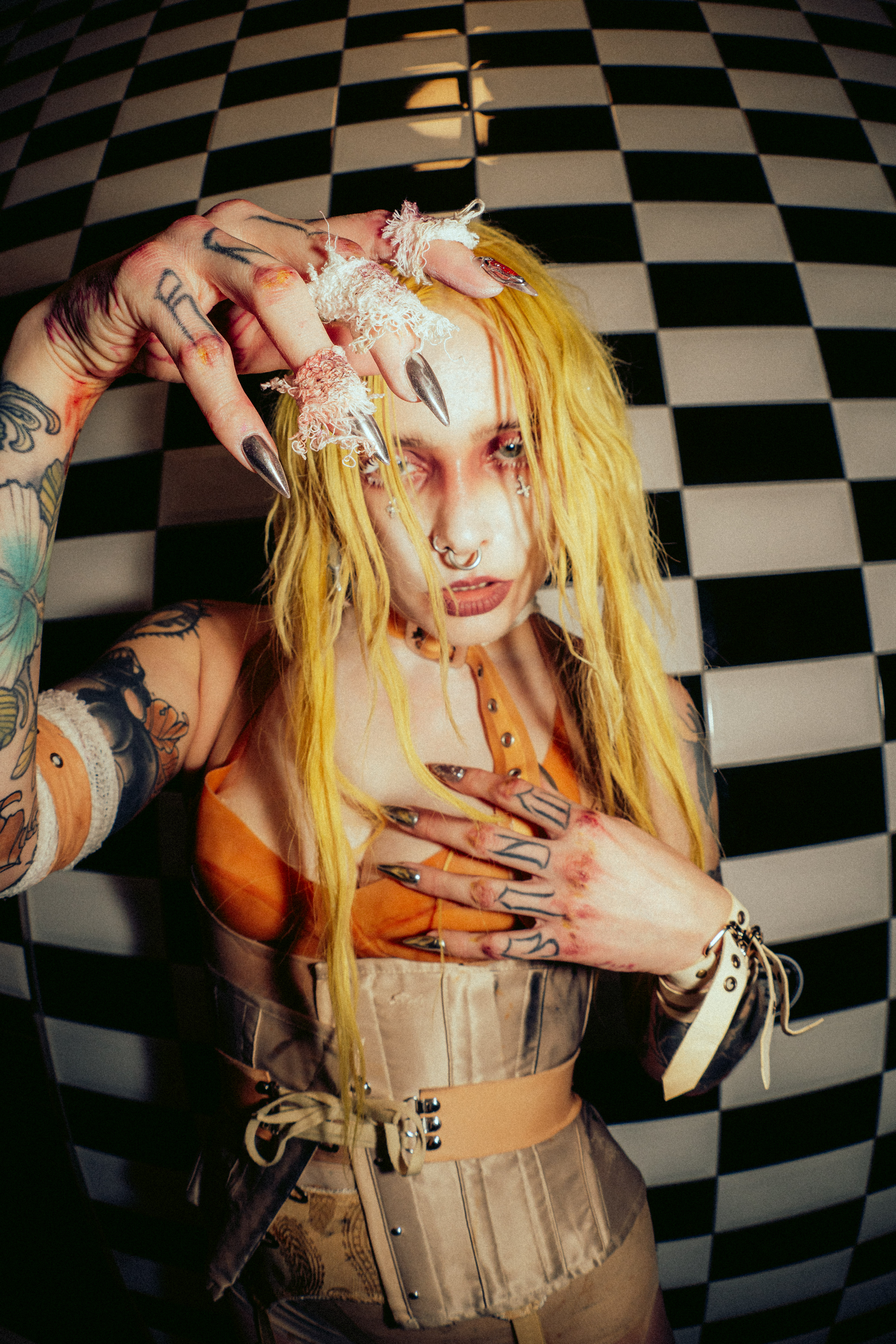
Photo courtesy of Sam Rockman
What’s one editing tip that makes a big difference in portraits?
I used to get really frustrated that my edits didn’t look ‘perfect’, and I didn’t like what I was creating. Then I stopped caring about recreating reality and just started editing how I liked. I tend to edit slightly warmer, although when working for clients I sometimes have to tone it down.
What’s one daily or weekly habit that helps improve your portrait photography?
I don’t know if there’s a specific one but just keep shooting. Whatever you shoot will feed into everything else. Sometimes I go out and shoot some street photography, and nailing a shot gives me a creative boost to go do some portraits.
What are three actionable steps that photographers can put into practice now?
- Get out on the street and take some photos - portraits or street, just use your camera.
- Hit up some Facebook groups and find models to collaborate with.
- Take photos of your friends or partner.
I think it’s important to keep practicing but not to put pressure on yourself. The issue with turning something you love into a job (and there’s a lot of noise online about how you need to monetise your art) is that you can lose the love for it. I’m very proud that I can make a living from this, but I go through periods where I’m working a lot for others and forget why I started.
That’s why I try to do a few collaborations now and then to keep the creative juices flowing. I’d love to do some more personal projects again, because I find that really fulfilling as well.
Written by Sam Rockman. Follow Sam on Instagram @rockersalmighty and explore his portfolio at www.samrockman.co.uk.