
From Austin’s legendary music scene to global stages, music photographer Pooneh Ghana shares her journey and creative process behind capturing the raw energy of live performance. We were excited to dive deeper into the craft of live music photography, from her early beginnings to life on the road and everything in between.
Born and raised in Texas and growing up in the Austin music scene, Pooneh Ghana combines her passion for music & photography into a career she's grateful to wake up to every day. From shooting for publications such as Rolling Stone, NME and Pitchfork, too touring with artists Olivia Rodrigo, Idles, Noah Kahan and Cage The Elephant (to name a few), Pooneh enjoys and finds purpose in documenting all aspects of music and music culture. MPA judge, alumni and nominee – we caught up with Pooneh on the subject or live music photography. Over to you Pooneh…
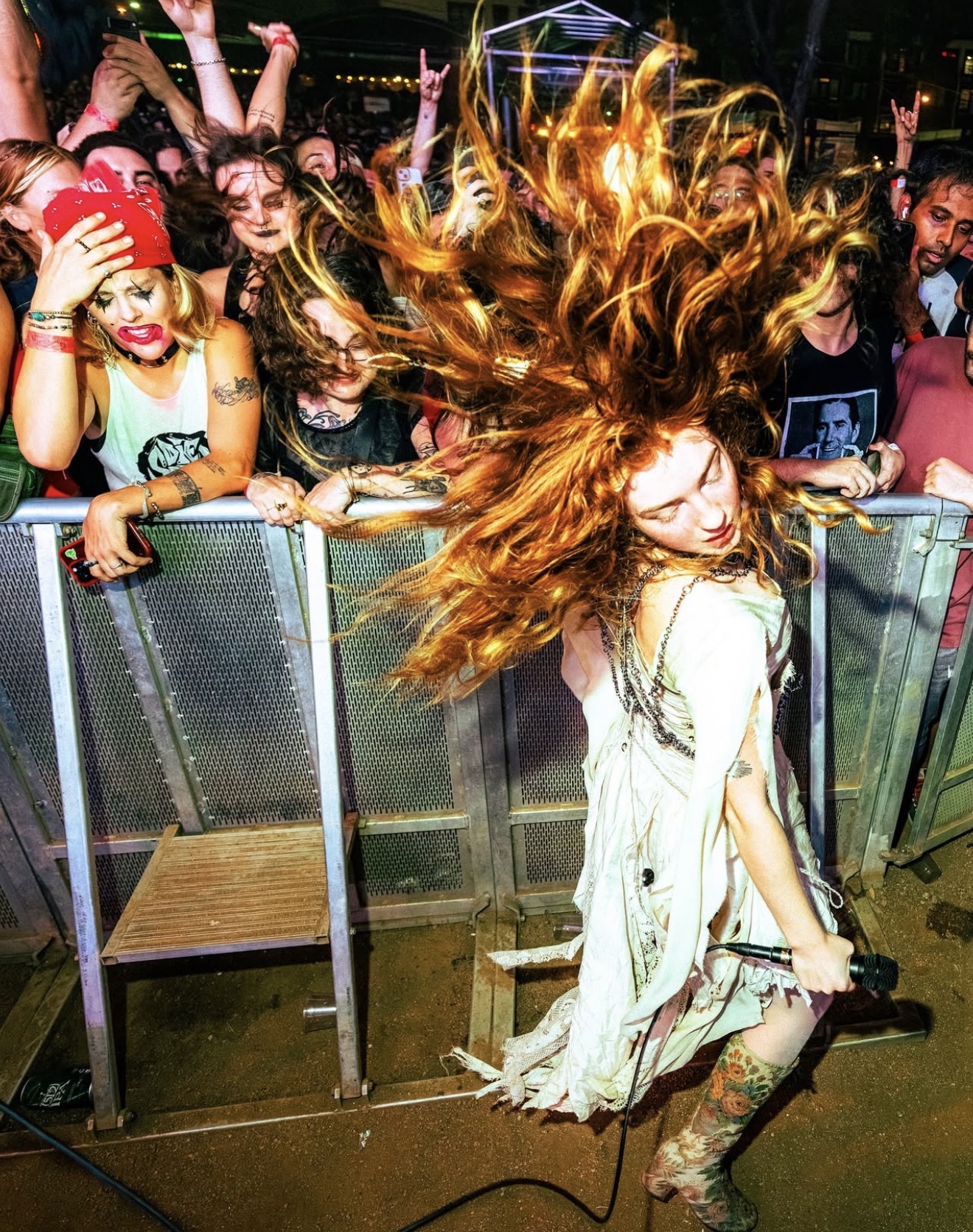
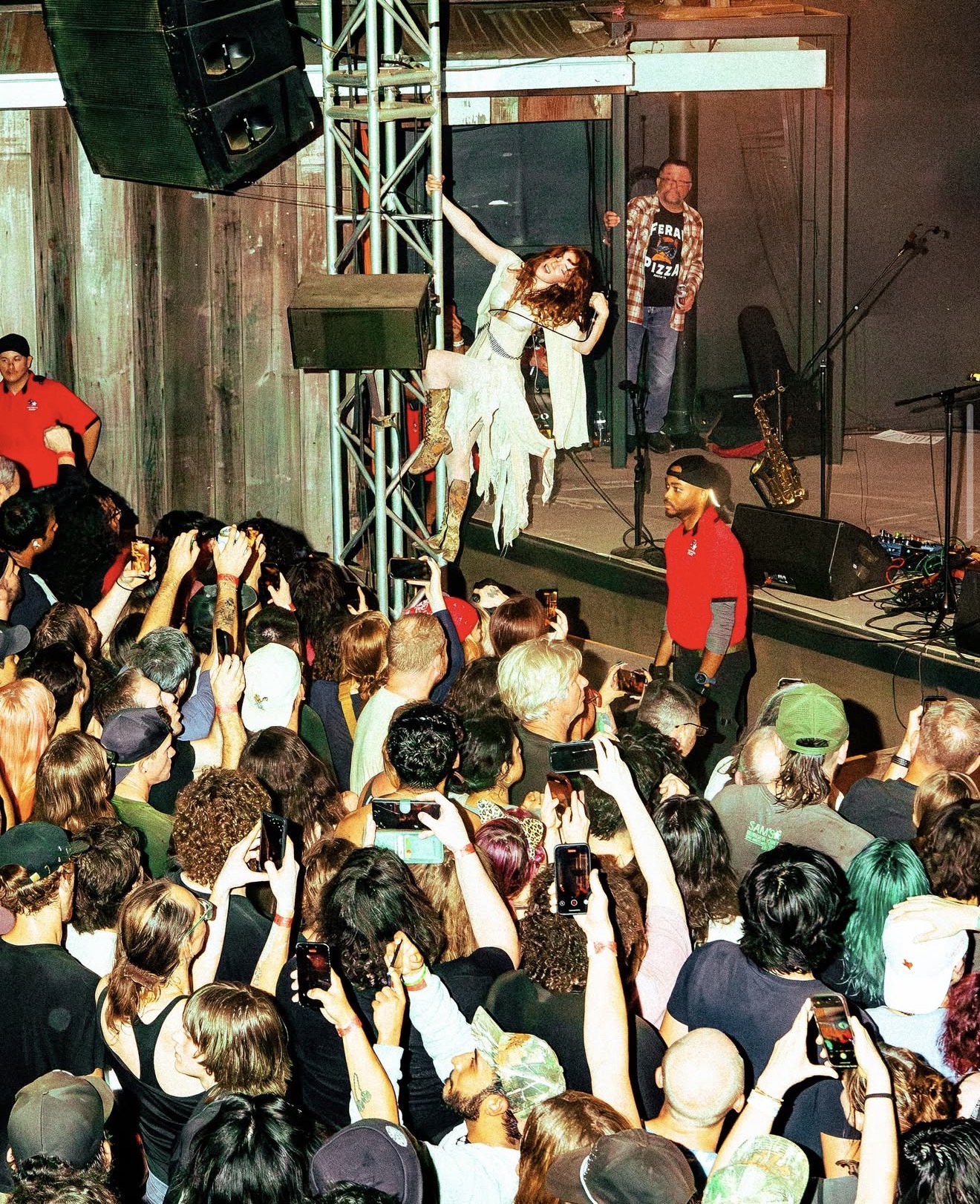
Photo courtesy of Pooneh Ghana
To begin, could you share a little about your background and the path that first led you into photography?
Helloooo! My name’s Pooneh Ghana and I’m a music photographer based out of Austin! I grew up in San Antonio, then as a young teen started traveling back and forth to Austin to see my favorite bands play (and to get out of my hometown that I didn’t really connect with at the time). I grew to love film photography as a hobby (thanks to discovering Lomography/getting sucked into that universe of toy cameras), then was self-taught from there just researching online about new gear, lighting, different types of film etc. I was able to dial in and bring my love of music and photography together when I moved to Austin after high school. I remember the early high school days, before I ever had any sort of assigned photo job, of just experimenting with different cheap film cameras and learning about the process of developing, printing, and whatnot, and being drawn to that. My early Flickr days of shooting band Polaroids for fun after shows was another time I realised how much I loved the art and excitement of music photography, on and off stage.
At what point did photography shift from a passion to a full-time profession for you?
I was finally able to start doing photography full time after graduating university. As I was working my way through school, I was doing more and more freelance photo work, finding different publications to shoot for, started going on tour, but was still finding my bearings in the music photography world/navigating how I could make it work. Thankfully with years of putting the time in, it ended up working out. It got to a point where I really didn’t give myself any other option. I wasn’t able to imagine working in any other field that I’d be equally as passionate about.
To help guide photographers, we asked Pooneh to break down the considerations that go into photographing a live show with intention and impact.
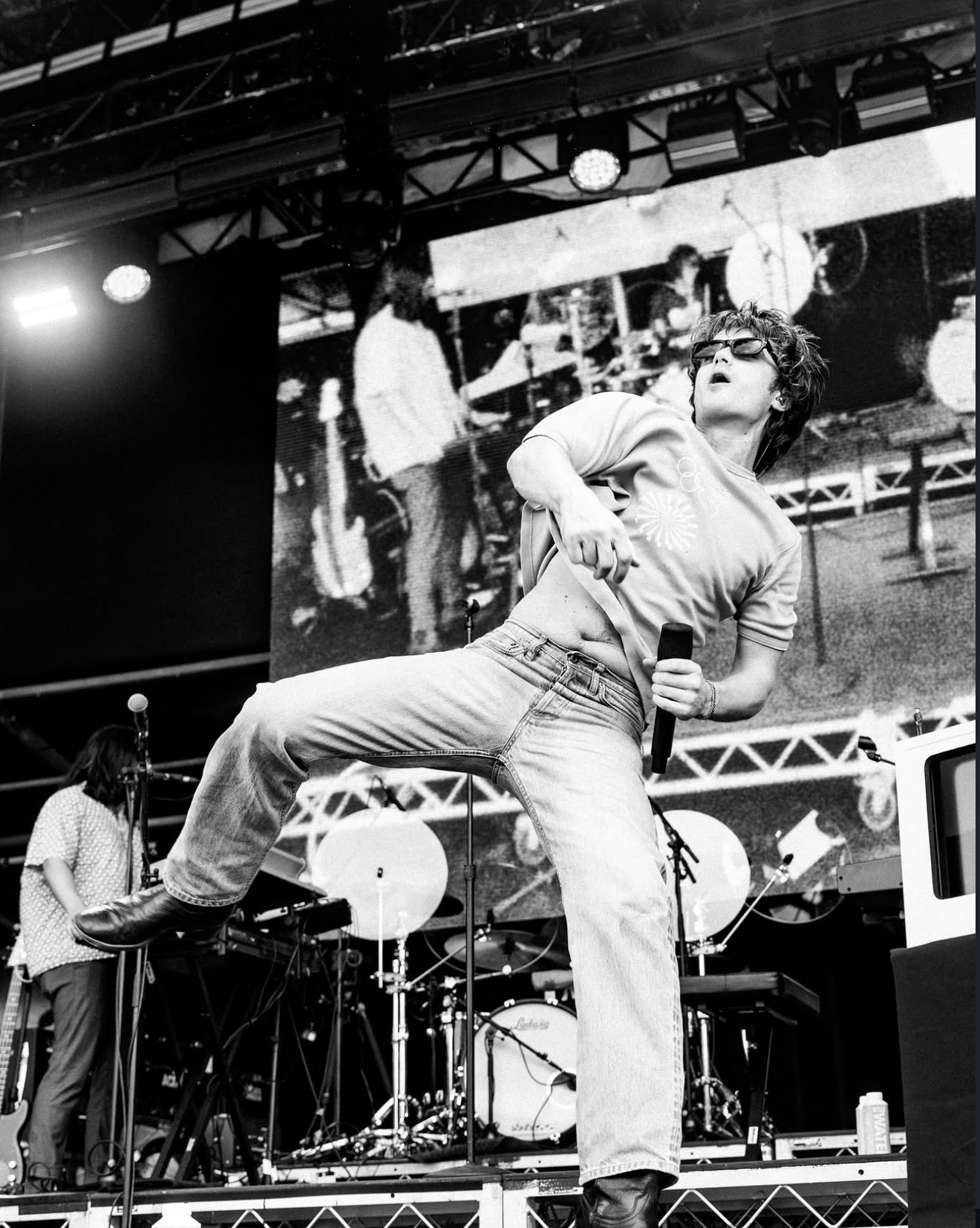
Photo courtesy of Pooneh Ghana
What are the main elements to consider when photographing live?
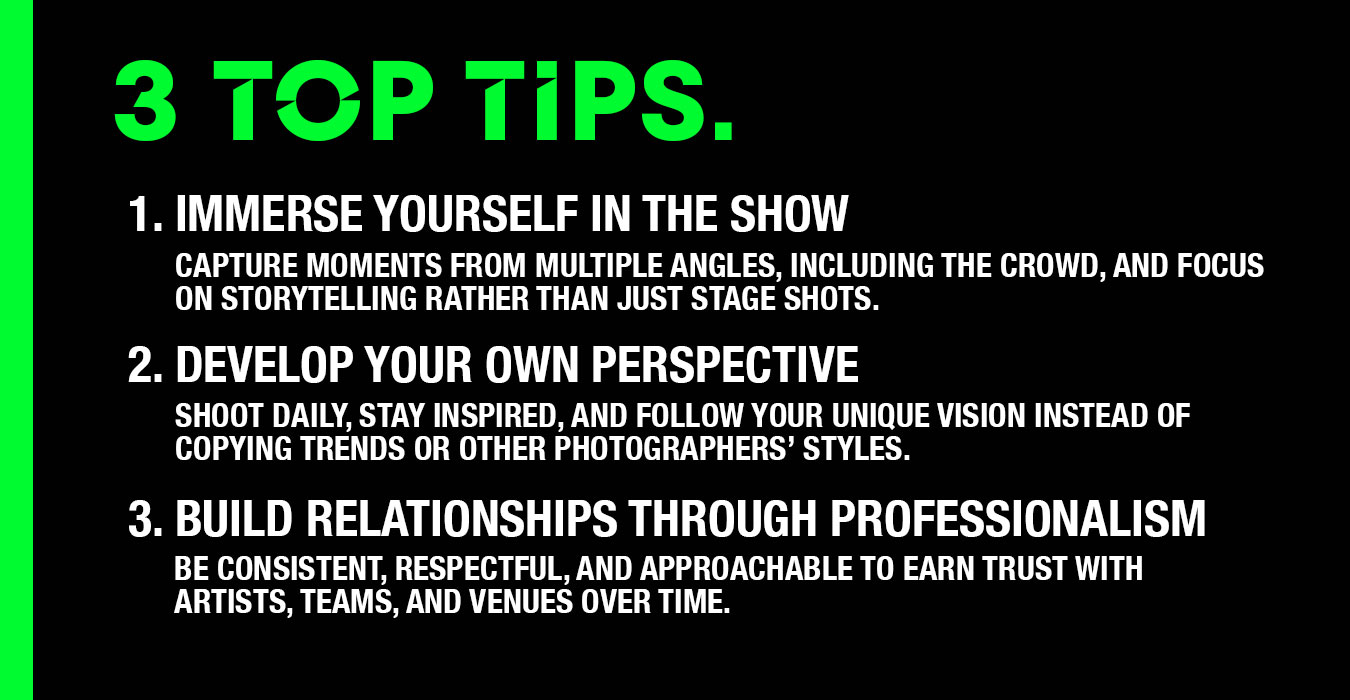
I think a big factor is really immersing yourself in the show as if you’re a fan watching your favorite artist. Think of which moments you’d be excited to see and use that to tell a bigger story of the night, as opposed to just 100 photos from the same angle in the photo pit. That’s another big factor as well - if you’re able to, don’t just shoot in the pit or what’s happening onstage. Sometimes, the fans/crowd tell more of a story. Be respectful and aware of your peers in the photo pit, venue staff, and especially the fans that paid to be there. Also, not every show is similar/should be shot the same. If you don’t already, get a sense of the artist and their world beforehand. Have fun figuring out how to capture their essence in a live setting, and their humanity.
What does your go-to kit look like, and how do you prepare before stepping into a venue for a live shoot?
For a typical live show these days, I’m shooting on the Sony A1 and love my Tamron 35-150 lens, 16-35mm, and profoto strobe setup. Sometimes I’ll have more flexibility with shooting portraits or moments beyond the stage, so might bring a film camera like my Mamiya 7II or a 35mm for portraits, or my Super 8 camera to get some moving images.
What aspect of photographing live performances continues to excite you most?
I enjoy the challenge of telling a captivating, concise story from the night through photos. To document the show in a way that does the it justice, in an environment where you really have no control over what’s going to happen (whether it’s the performance, lights, fans, weather). It’s different from studio/editorial photography where you might have complete control of the elements.
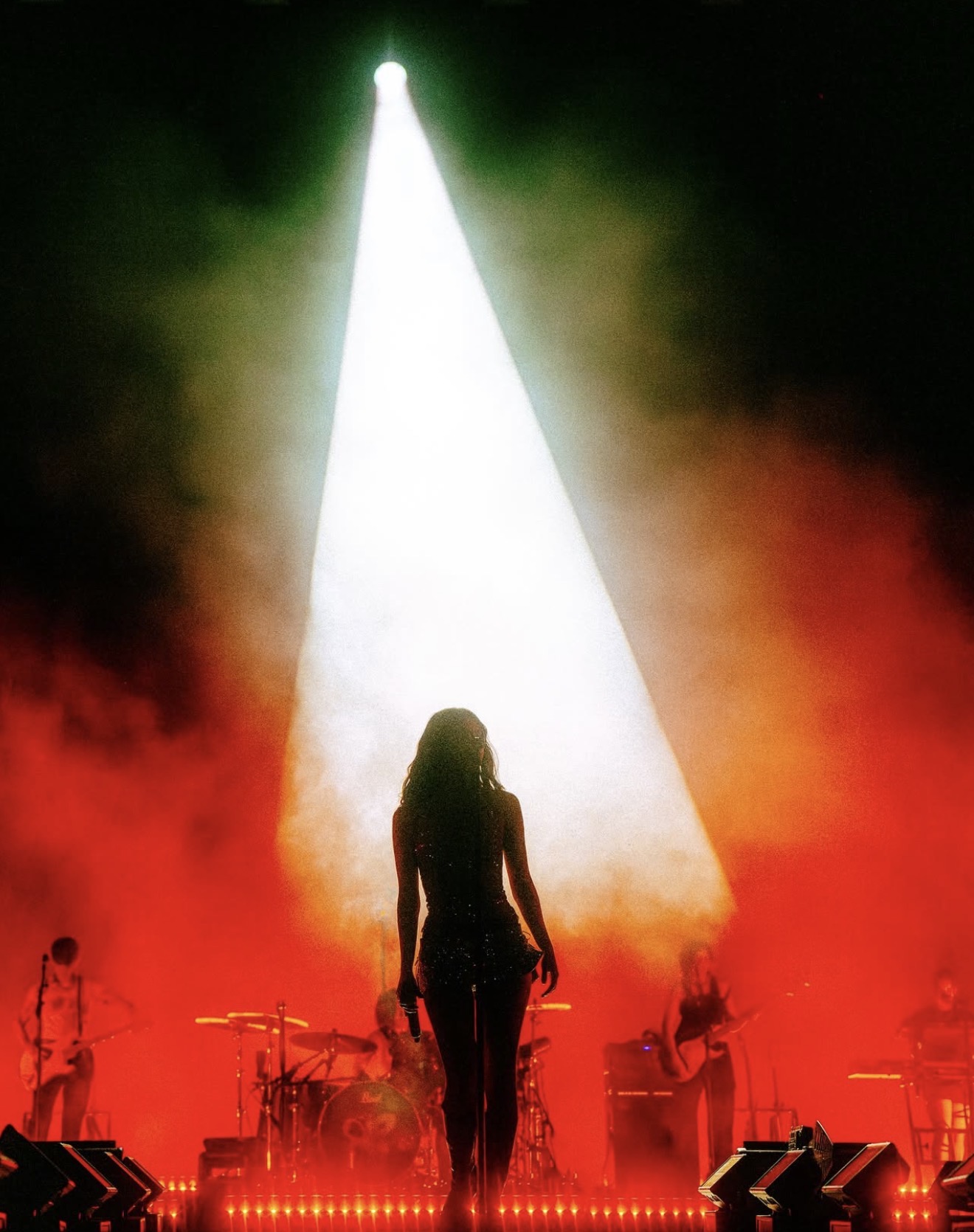
Photo courtesy of Pooneh Ghana
You began shooting at 18 - what key piece of advice would you offer photographers who are just starting their journey?
Always carry a camera with you and try to find inspiration in the day to day, the mundane, not just onstage at a concert. Biggest advice might be cliché, but do you own thing and stay true to yourself and what you think makes good art. It’s good to get inspired by other photographers, create mood boards, etc, but don’t get heady about it or get caught up in trying to copy a particular style that is trendy or that everyone is doing in the moment. Don’t steer away from developing your own eye and thinking creatively/independently. As you shoot and learn more about yourself as a photographer and become confident in that, your own authenticity will shine through your work and make it timeless. It’ll be a perspective that’s uniquely yours. Also, don’t be afraid to reach out to people for opportunities, no matter what level you’re at in your career. Worst thing someone can do is say ‘no’, but that one ‘yes’ can completely change the game for you. That artist you want to work with probably can’t read your mind or think you’d even want to work together. Just ask. And of course be nice, stay humble, keep looking for ways to push yourself creatively and try something new.
When quick turnarounds are needed, do you adjust your workflow - such as shooting RAW and JPEG simultaneously - to deliver selects on the spot?
I shoot just RAW probably 99% of the time, haha. Every now and then, a client will need live selects at an event and I’ll shoot both, then edit the RAWs later.
What's your process for curating a full photo set after a gig?
I try to pick photos that give a bigger sense of the night – different angles around the venue, performance shots that aren’t repetitive, shots of the fans. I use my own chaotic rating system in Lightroom and will pass through the same photos over and over until I finally narrow it down to what I think is a well-rounded gallery…or sometimes even just one photo that does the job!
What helps you build and sustain working relationships with artists, teams, and venues?
It’s just something you earn/build over time. It’s all a community and surprisingly so small, even on a global level. If you’re good at what you do, easy to get along with, and professional/consistent, you’ll likely do well.
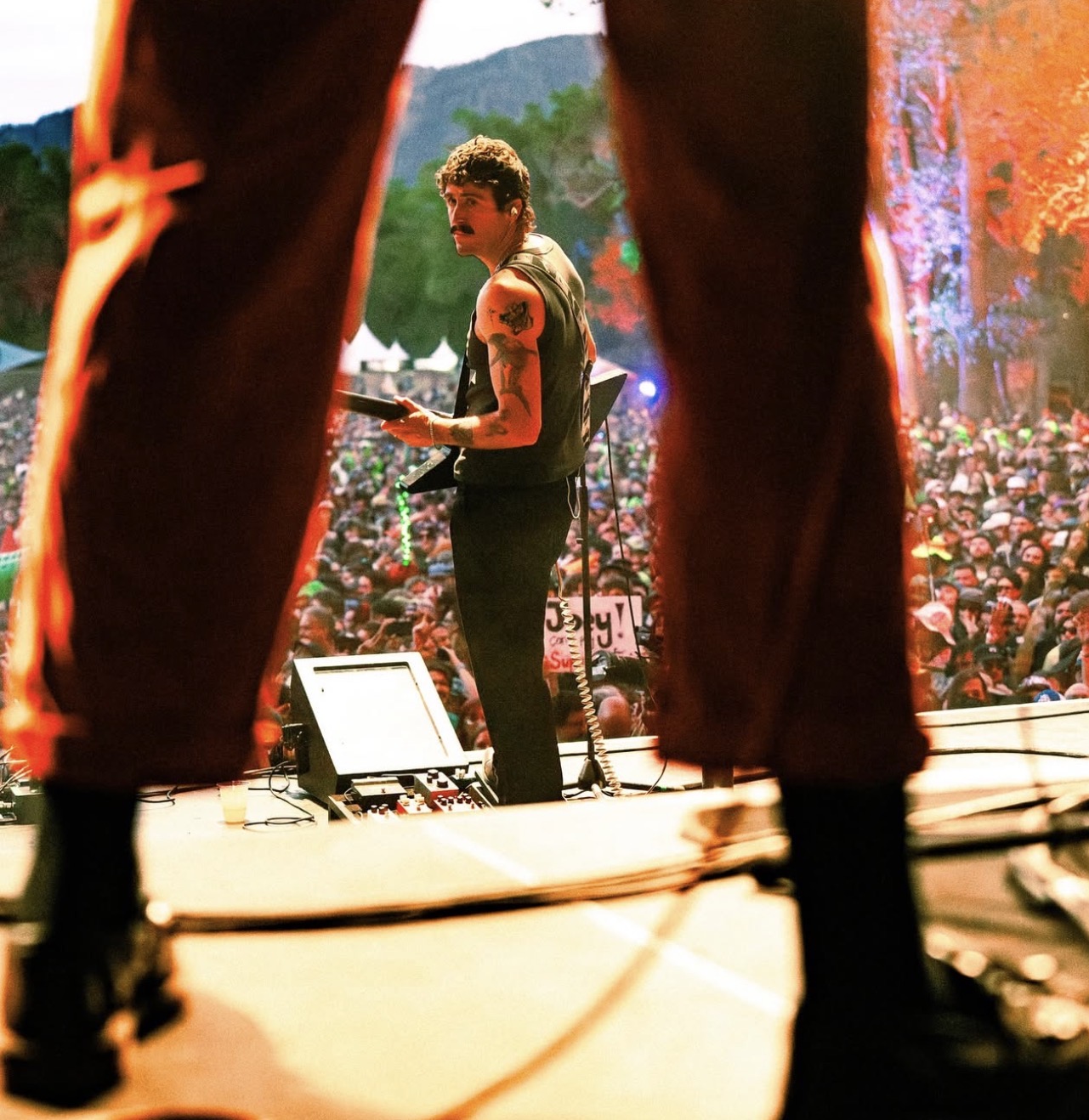
Photo courtesy of Pooneh Ghana
Written by Pooneh Ghana. Follow Pooneh on Instagram @poonehghana and explore her portfolio at www.poonehghana.com.