Sacha Lecca is a photographer and Deputy Photo Editor at Rolling Stone whose career has been defined by a deep commitment to visual storytelling in music and culture. His photography has appeared in Rolling Stone, Huck, Whalebone, Alt Citizen, The Photographic Journal, American Photography, and numerous album covers.
Sacha is the Chief Shortlister & Global Ambassador for the Abbey Road Music Photography Accelerator and Awards, helping to spotlight exceptional talent in music photography.
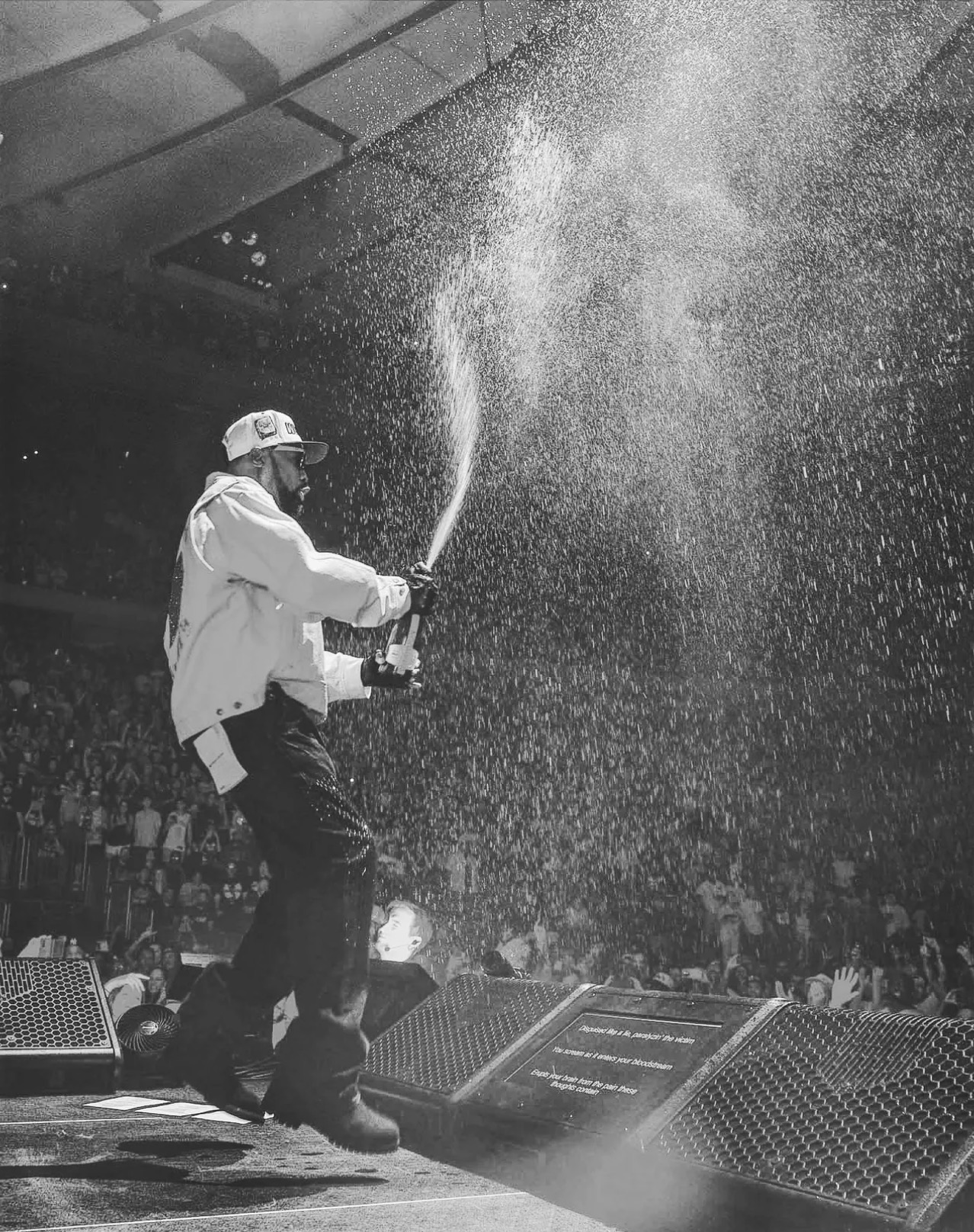
Photo courtesy of Sacha Lecca
This is Sacha Lecca from Rolling Stone magazine. The way photo editors find photographers to work with has shifted over the years. Even within my time at RS, the emergence of Flickr, Tumblr, Instagram etc provided new ways of presenting ones work - but in the age of visual-based social media apps, does one really need a physical and/or web-based portfolio?
(i think yes)
Instagram is an important tool to build an audience and attract clients, and great for a steady stream of (recent) work and experiences, but your portfolio should present your professional self away from the noise of social media. It’s useful to have a dedicated site for editors/art buyers to easily find to get an immediate sense of your best work in a carefully considered edit; get contact and personal information, and more. It could show kind of work you've accomplished but also indicate work that you'd like to do more of, to be hired to do.
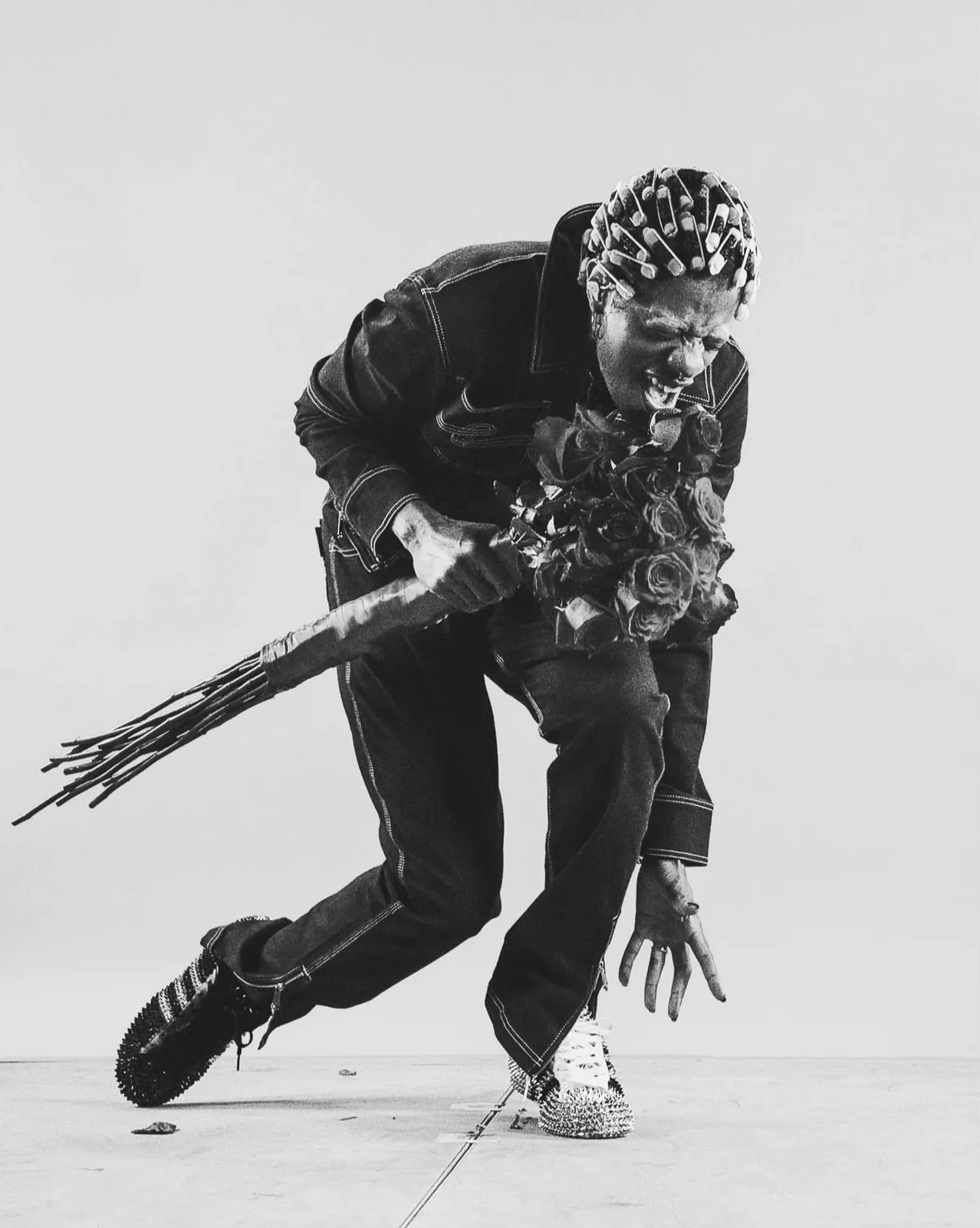
Photo courtesy of Sacha Lecca
1. Key Principles to Keep in Mind: keep it simple and have the presentation (book/site design) compliment your work.
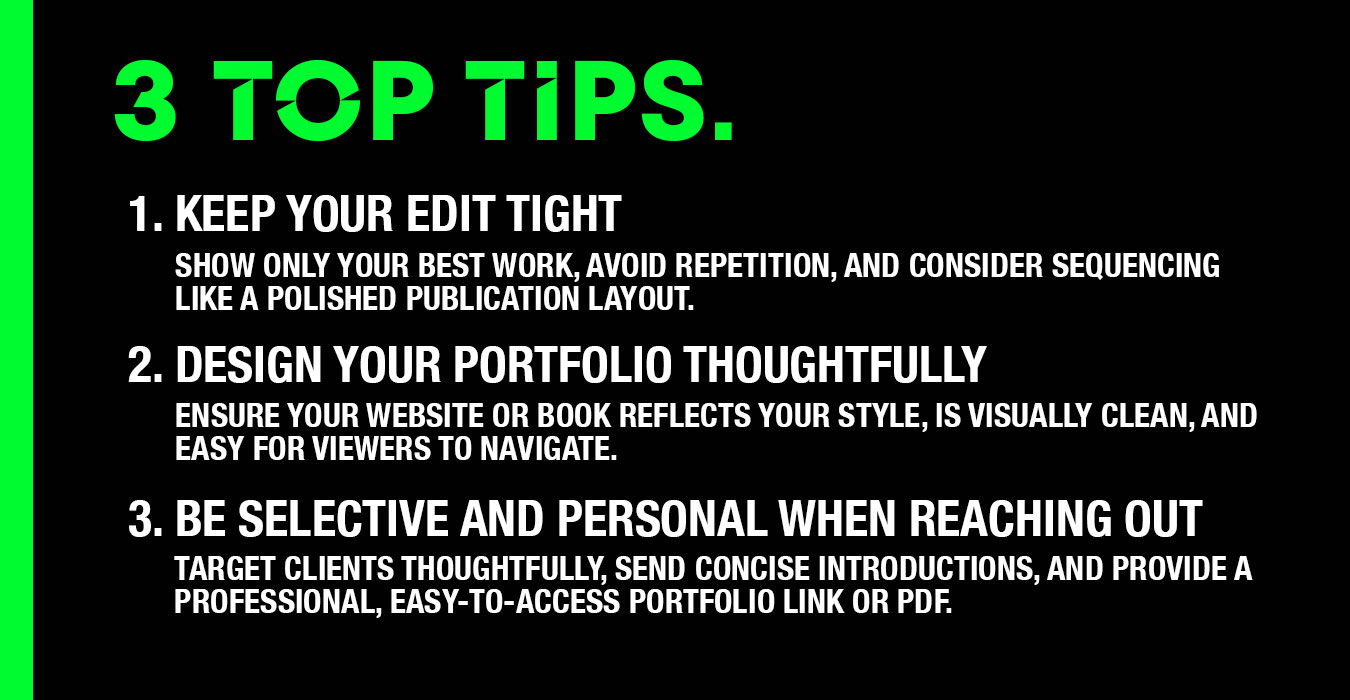
Consider that your audience could be incredibly corseted by time so it’s important to keep your edit tight and really lean into your best work so avoid similar / multiple / alternate frames. You do not want to overwhelm someone with too many photos. A good idea is to show your edit to friends, art directors, photographers, etc to help narrow the selection, and help with sequencing. Think of your portfolio as if it was a layout in a publication. Avoid repetition, consider scale shift (don't have tight ¾ view after ¾ view after ¾ view), have the overall workflow from beginning to end.
The websites’ design should reflect your own creative identity and be aesthetically pleasing to attract and retain attention. Avoid clunky design/abrasive background colors, or unnecessary features. It should be quick loading and easy to navigate with only a few clickable options (i.e. overview; contact; portraiture, etc).
2. Reference Sites: As you continue developing your portfolio, keep updating it to highlight your best and most recent work.
A well-structured portfolio not only reflects your style but also communicates professionalism and attention to detail. Here are a few examples of photographers whose sites balance aesthetic and functionality effectively:
Jennifer McCord — www.jennifermccordphoto.com
Immediately engaging, the homepage presents a clean, well-curated overview. Visitors can explore additional folders if they want to dive deeper. The site includes a direct link to her Instagram and a simple contact page with real contact information - no cumbersome forms to get in the way.Danny Clinch — www.dannyclinch.com
A minimalist approach ensures the images remain the focal point. Navigation is straightforward, and the content is easy to explore.Xavier Scott Marshall — www.xavierscottmarshall.com
Features a clean layout with clear pathways to view different projects while maintaining an elegant, cohesive aesthetic.
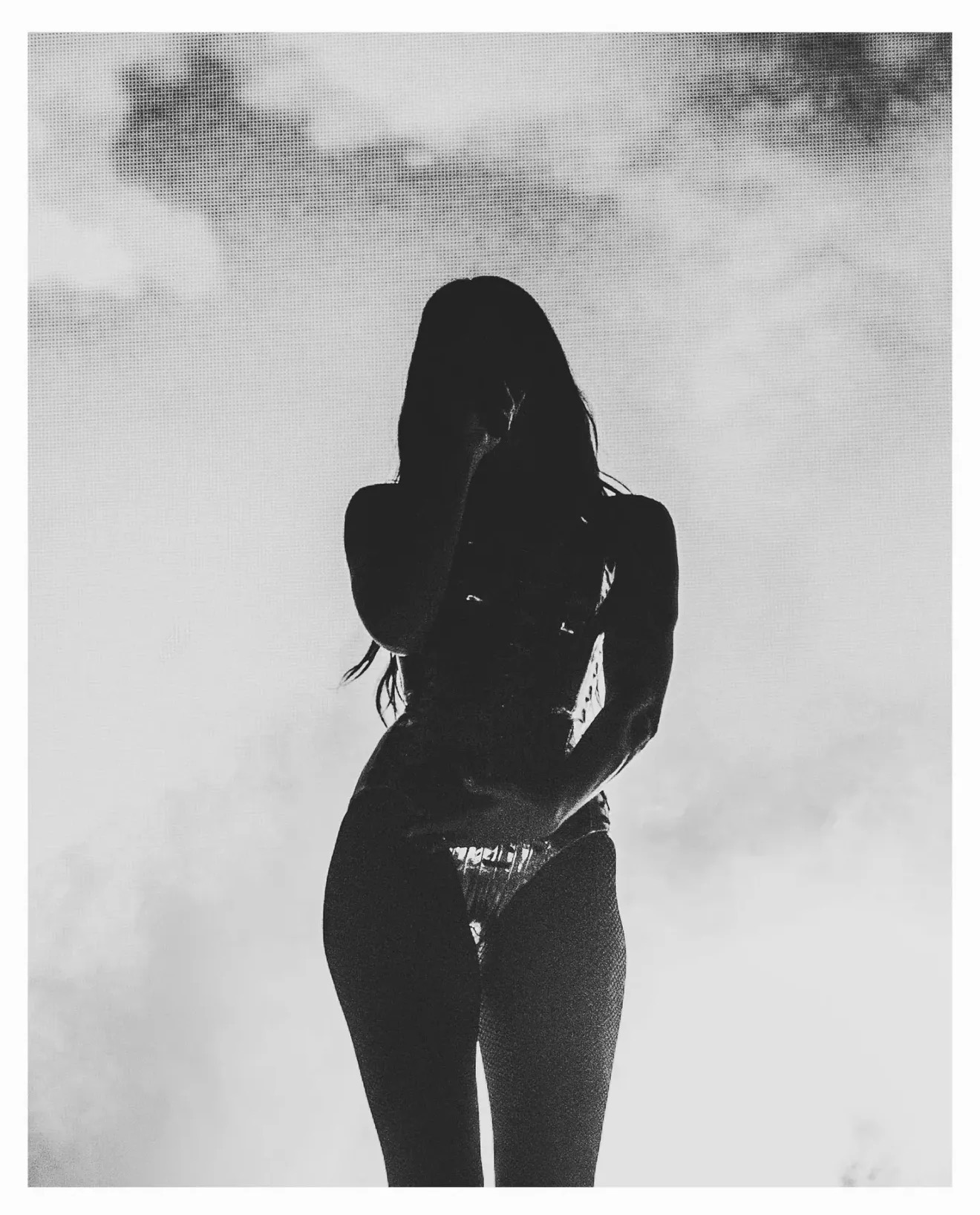
Photo courtesy of Sacha Lecca
3. Reaching out: Before websites and apps you had to have a printed book, and reach out to prospective clients to be able to get that book in front of them.
Magazines, art buyers etc, as in my first gig at Newsweek in the 90s, had regular specific drop off and pick up days. Photographers could drop of a book, the mailroom would bring us dozens of portfolios to look at, which we'd check out and return to the mailroom where photographers could pick up. Photographers could also try to schedule a face-to-face meeting. Back then photographers would have 2 or 3 or 4 versions of their portfolio to be able to drop off at multiple places. These days digital portfolios and email streamline this process. I think these days you can still buy lists of contacts and send out a submission to hundreds of sources at once.
I think a more selective approach would make more sense. I'd examine the magazines (print of digital), PR and management companies, bands, music and celebrity blogs that you'd like to work with, where you think your work fits in....and seek out contact information and communicate in a more personal way. A short note of introduction, a link to your very excellent website and/or a pdf portfolio (but make sure it's not an overly huge file).
4. Last fun tip: When emailing, it's a huge help you quickly know and search where you are based.
..so include that even in your subject line.
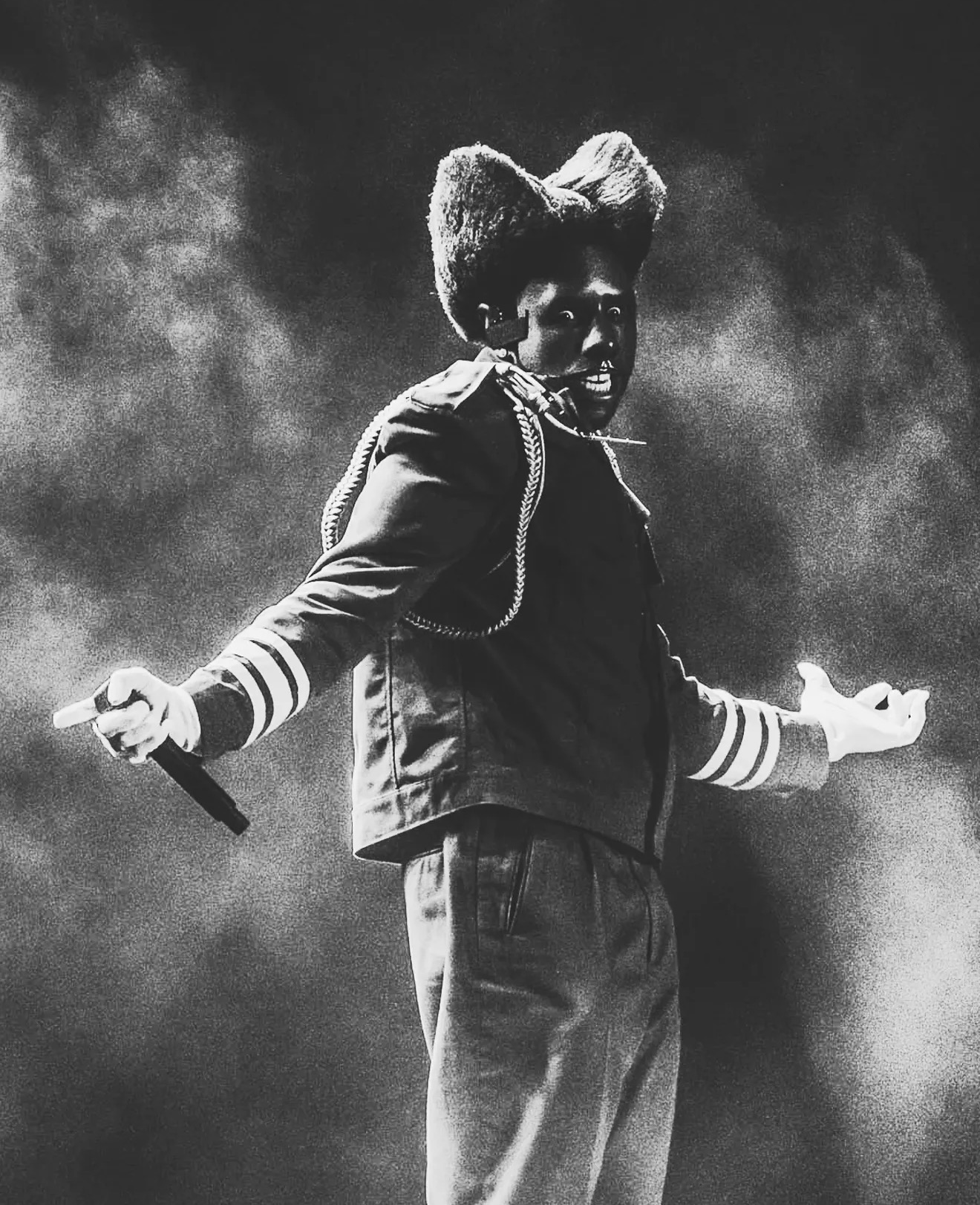
Photo courtesy of Sacha Lecca
Written by Sacha Lecca. Follow Sacha on Instagram @sachalecca.