Todd Owyoung is a NYC-based photographer. Specialising in music photography since 2006, Todd is obsessed with those rockstar moments — those moments that present artists larger than life at the peak of their performances.
In addition to live music photography across concerts, festivals and tours, he offers deep experience in entertainment photography and celebrity portraits. Commercial clients include brands like Red Bull, American Express, 7UP, Jack Daniels, Fender and more. Todd’s images regularly appear in Rolling Stone, Billboard, Vanity Fair, The Hollywood Reporter, Entertainment Weekly and more.
Since 2007, Todd has published articles on ishootshows.com, a website dedicated to music photography and sharing the tips and advice he has learned throughout his career. The site features over one thousand posts, ranging from articles on technique and gear recommendations to advice on breaking into music photography.
Recognised as one of the top music photographers in the world, Todd holds the distinction of being a Nikon Ambassador for Nikon USA. He’s currently the staff photographer for The Tonight Show Starring Jimmy Fallon, photographing stars in film, television, music and other notable figures in popular culture.
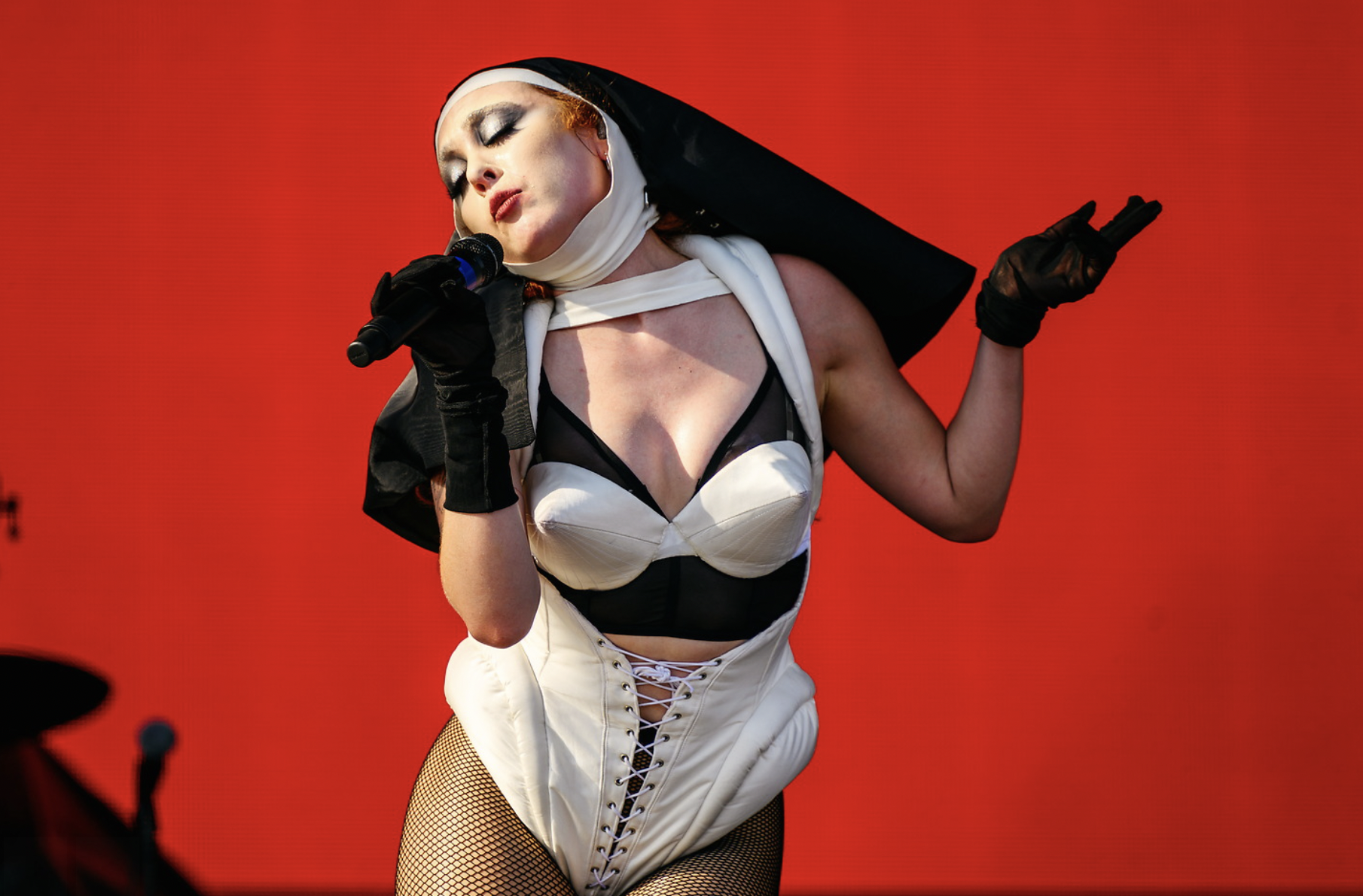
Photo courtesy of Todd Owyoung
You’ve seen the images of your favourite artists. Photos that capture the energy of their performance, the images that make them look larger than life, frozen in the perfect light and moment. Perhaps you’ve even dreamed of photographing your favourite artists and making these images yourself.
You may have attended a concert and seen photographers shooting the show in the photo pit. Or perhaps you’ve taken photos with your phone as a fan and wonder how you can take the next step and shoot with a photo pass. Entering the world of music photography can feel daunting, but getting started in music photography is easier than you think.
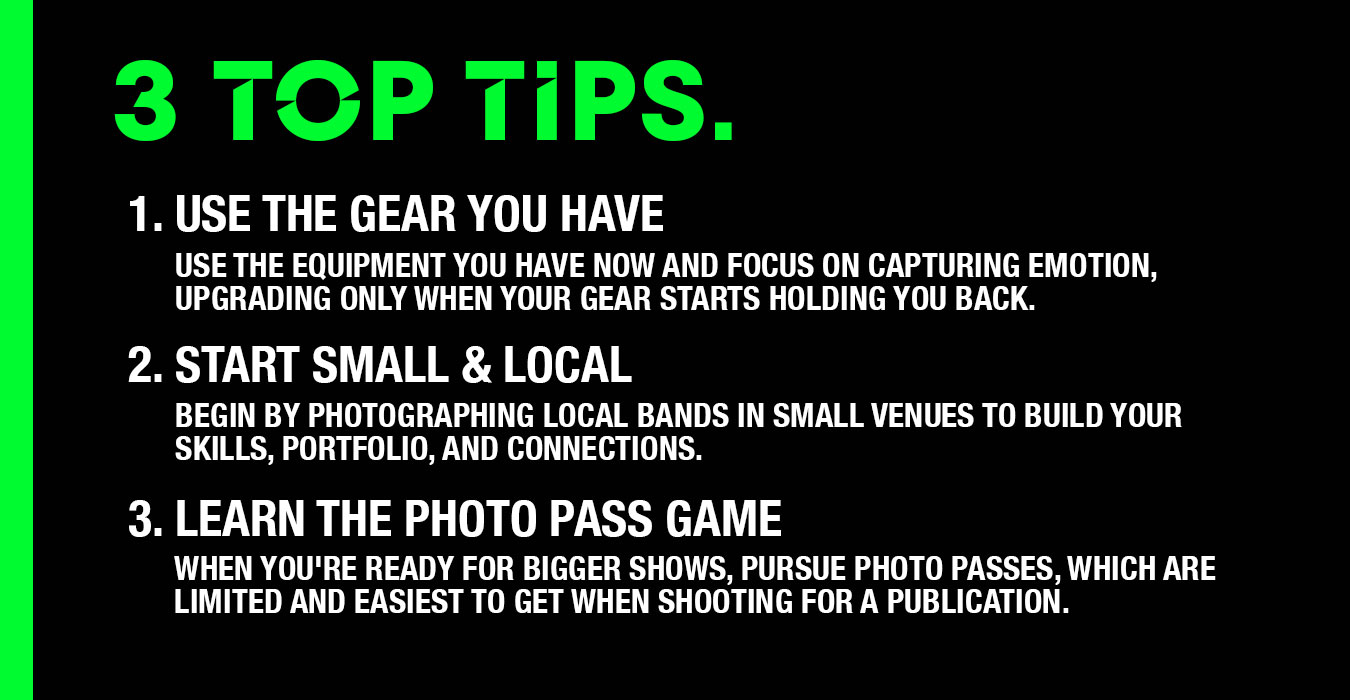
1. Don’t sweat the gear at first
As they say, the best camera you have is the one with you. Camera gear can have a huge impact on the ease of making images in a concert setting, where low light and fast action can be difficult to capture even with the best equipment. But at a fundamental level, you can capture live music with a point-and-shoot or even your phone to start.
Better cameras and lenses will make technical captures easier with better image quality, but at the end of the day, the energy and emotion of live music is the most essential aspect of music photography. Use the best tools you have available and upgrade when they start to limit you.
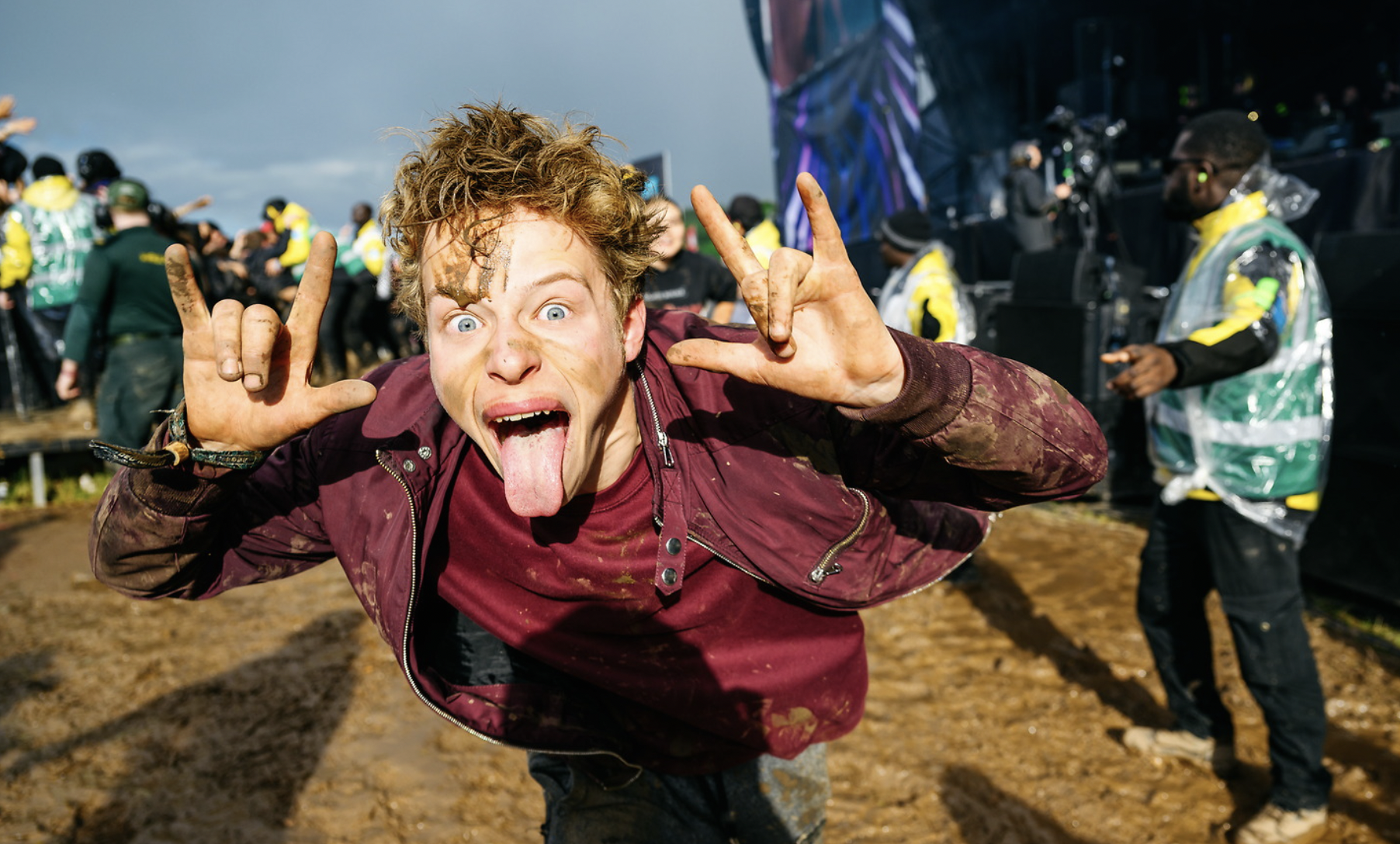
Photo courtesy of Todd Owyoung
2. Start small and local
Start off in smaller music venues, photographing local bands and smaller touring acts. The reason is simple: you’ll get far better access and won’t face the barrier to entry of needing a photo pass.
There are small music venues in every city that don’t have restrictions on camera equipment. Even if it’s literally a bar with an open mic night or a free outdoor performance in a park, you can photograph live music in some way that will help you graduate to photographing concerts.
Seek out local musicians in your area. Work with bands who are just starting out, just like you, who will treat you as a collaborator and partner. These musicians will be happy to give you their time and access as you grow together.
3. Bigger shows aren’t better shows
The big concerts with your favourite artists may be the goal, but it pays to start off small. You’ll face far fewer barriers to entry with smaller acts and far less competition. The real truth is that photographing big shows is easy by comparison. If you can make a local band look like rock gods, photographing actual rock stars is dead simple.
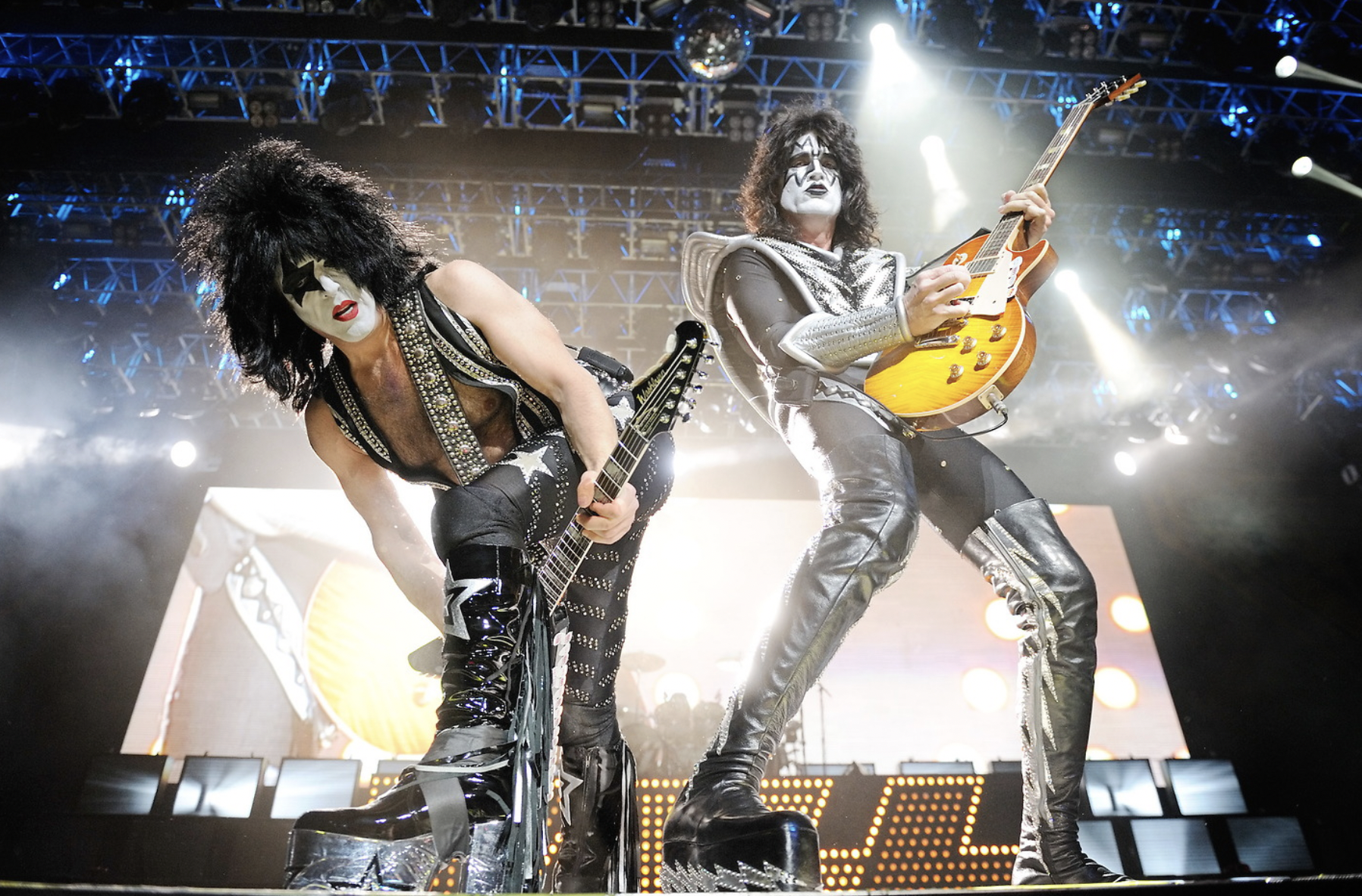
Photo courtesy of Todd Owyoung
4. Benefits of starting small as a concert photographer
With smaller venues, you’ll be able to shoot the entire show. This is a huge asset in learning how to deal with the most extreme conditions in music photography as you photograph concerts: low light, limited production, limited angles and more. The honest truth is that if you can shoot in small venues, bigger shows are easy. The lessons you learn in dives and small clubs will serve you well at every stage of your photography journey as a music photographer.
What’s more, photographing smaller bands will give you the experience to build a portfolio. You’re much more likely to be able to connect with the bands before or after the show. This kind of networking can be crucial to grow as a music photographer. Build relationships with the bands in your local scene and you’ll be repaid with trust, friendship and access.
5. Music photography is more than concerts
Everyone wants to photograph the show, but music photography is more than just performance. As you build relationships with bands, use that trust you’ve earned to photograph portraits, backstage candids and musicians in their practice spaces. These images will not only make you a more versatile photographer, but you’ll be setting yourself up to stand out by making images that most other music photographers don’t have in their portfolio.
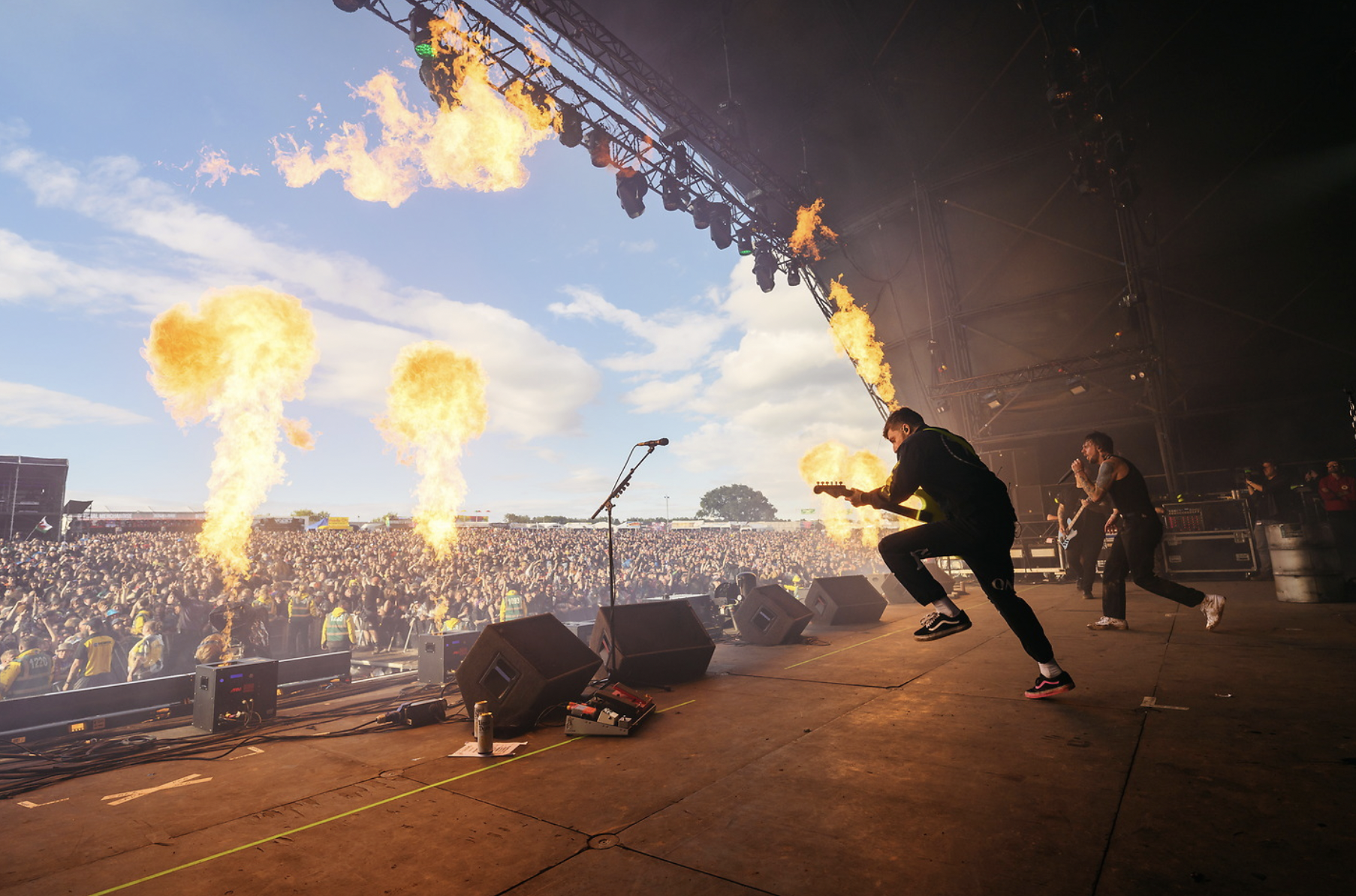
Photo courtesy of Todd Owyoung
6. The photo pass — your golden ticket as a music photographer
After you’ve cut your teeth shooting in venues that don’t have camera restrictions, it’s time to level up. You’re probably itching to move on to bigger venues and bigger bands. The best way to photograph concerts is by securing photo passes.
A photo pass is a credential approved by a band’s publicist and intended for editorial coverage. That is, photographers covering a concert for editorial coverage in a publication.
A few things about photo passes
Photo passes are generally limited. A publicist will generally only approve a certain number of passes for any given show. For cities like NYC or LA, competition is going to be more fierce than a city like St. Louis, Missouri.
Photo passes may be approved a few days before or even the day of a show. A publicist is always going to want to ensure that they can provide the best coverage for their client. Often, they will prioritise their preferred publications for any given market. Rather than approve a photo pass early, many publicists will wait to approve closer to the show.
A publicist will often have a certain number of press tickets and photo passes for any given market. Delaying approval to the end means they can prioritise even late requests for important publications.
Your best chance of getting a photo pass is to be shooting for a publication. Not all bands will be strict, but generally speaking photo passes are intended for photographers shooting for publication. If you’re building your portfolio, there’s very little incentive for a publicist to provide you with access to their client. The images do an artist zero good simply sitting on your portfolio website. Thus, they don’t help the publicist achieve their goals.
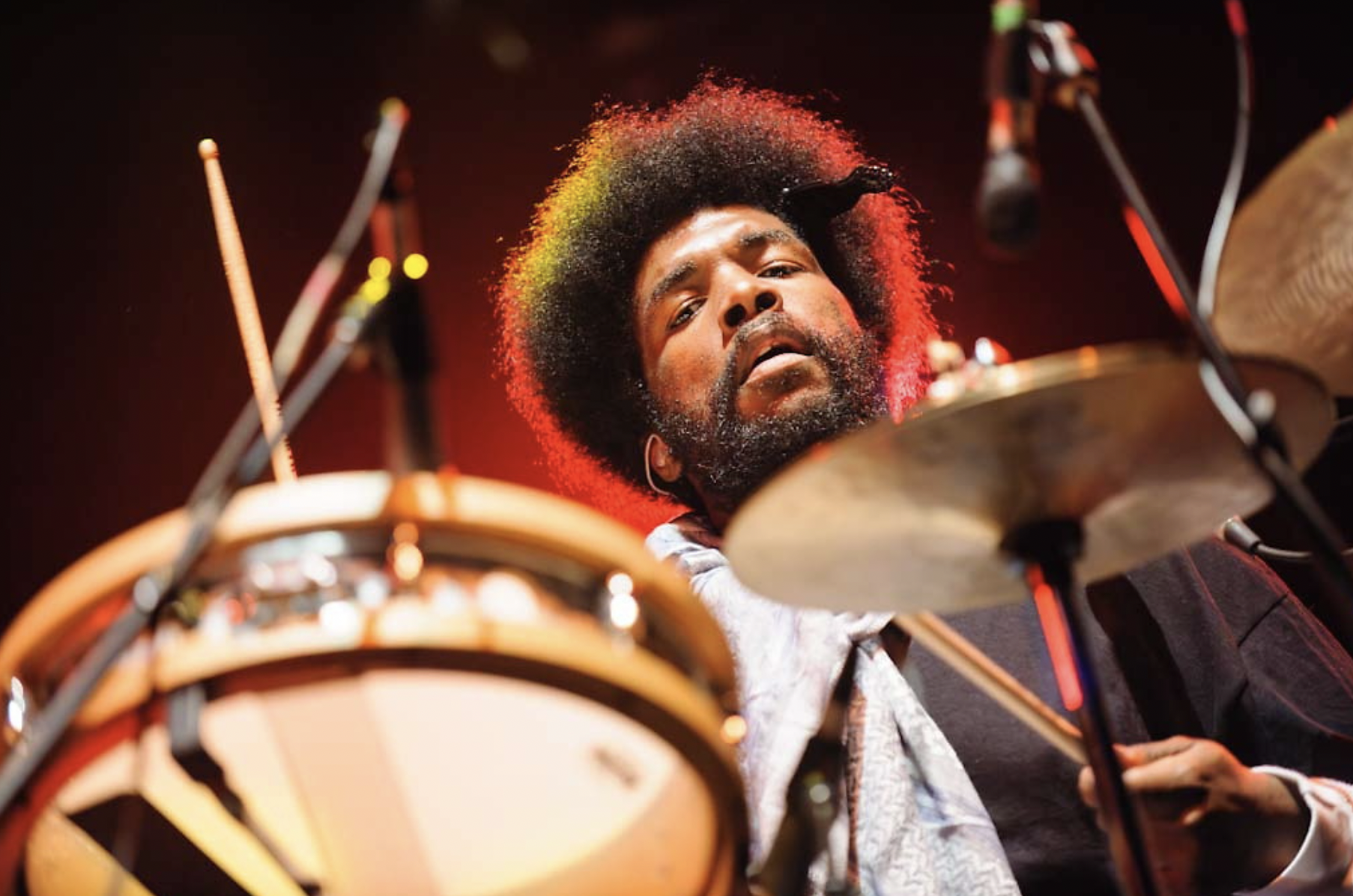
Photo courtesy of Todd Owyoung
7. Connect with a publication — or start your own
If you’ve conquered your local clubs and other small venues, the next step is photographing for a publication. The backing of a publication is essential to photographing larger shows. Bands and their representatives expect editorial coverage in exchange for access, i.e. a photo pass.
The reason for this is that from a band’s point of view, photography can be a liability. Photography may be distracting for artists and fans alike. In addition, control over where and how images end up is also a concern.
The good news is that there are publications of all levels. Your goal should be to connect with publications that match up to where you are in your music photography journey.
Local publications
A “publication” may sound intimidating, but this can be as simple as a blog covering the local music scene. From there, most cities will include daily or weekly newspapers, arts and entertainment websites and magazines, all covering music and featuring concert photography. All of these kinds of publications can aid you in your goal to photograph concerts.
The contact you’ll need to connect with for small or medium-sized publications may be the music editor. This is the same role requesting access for writers reviewing shows. A photo editor may also handle assignments for a publication and is also a fantastic contact to find. Some publications may have dedicated editors for web vs print work, so keep that in mind when you’re researching the right contacts.
After you’ve done your research, approach these editors with the portfolio you’ve built up photographing smaller artists without a photo pass, showing them samples of work that align with the kind of photography and genres their publication covers. It will always pay to show familiarity with a publication and their perspective, so demonstrate that you understand the kind of photography that will best work for their publication.
National publications
Publications on a national scale may not be dramatically different from a local publication, and you’re likely dealing with pitching to a photo editor. Again, do your research on the genres of music each publication covers, who the appropriate contact is, and show them work that you think ladders up to their brand of coverage.
Often, national publications will focus on coverage of larger cities and the headlining shows that often prioritise them. That said, if you’re in a smaller market, a national publication may need photographers there, just not as consistently. Tours often start in smaller cities. These smaller market shows are ideal opportunities to get a foot in the door shooting for larger national publications.
Pitching yourself and your work is just like any proposition in life — you’re going to need to put yourself out there and it may require a lot of rejection before you get a yes, particularly for larger publications.
Start your own publication
When in doubt, start your own publication. Even a blog that posts concert reviews and concert photography galleries can have value to publicists. Starting your own publication may sound like a daunting task, but it may give you the best platform to consistently get passes if you’re willing to put in the work.